
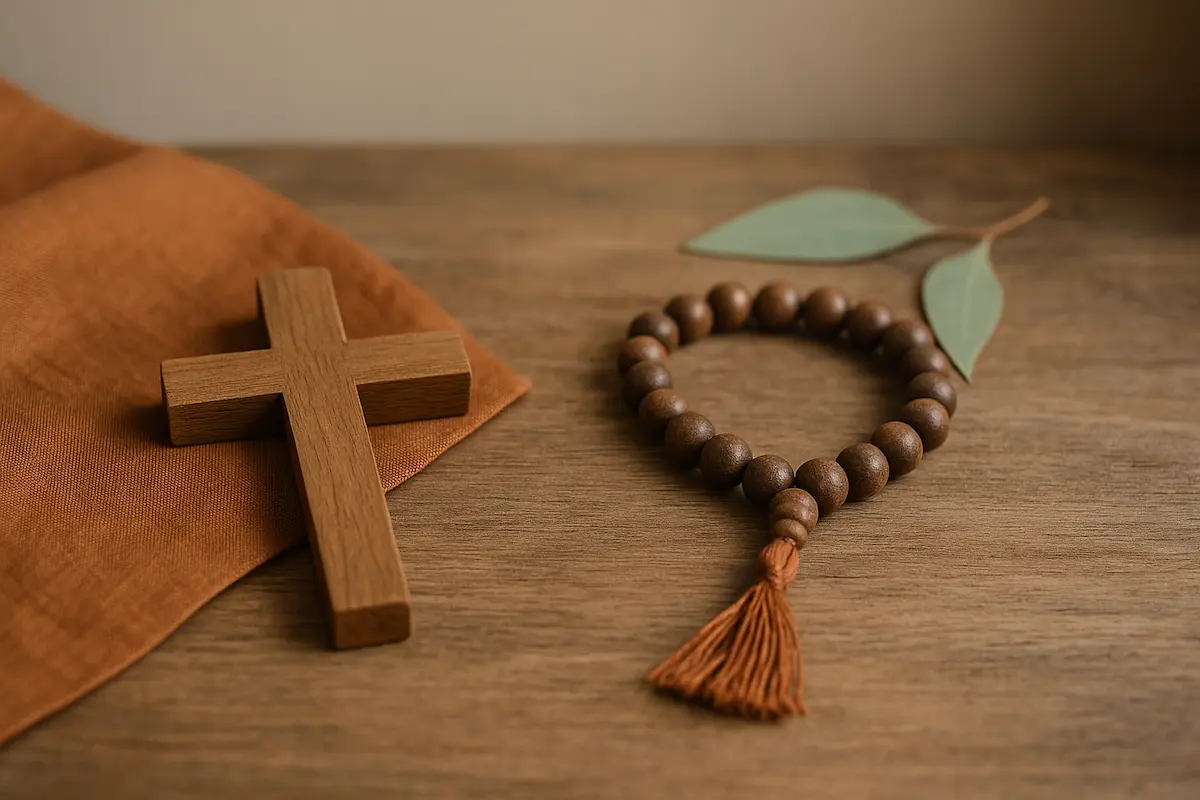
What is an Anglican Buddhist?
An Anglican Buddhist is someone who finds a home in both Anglican Christianity and Buddhist practice. In my case, it’s kneeling in a church pew one week and lighting incense in a Thai temple the next.
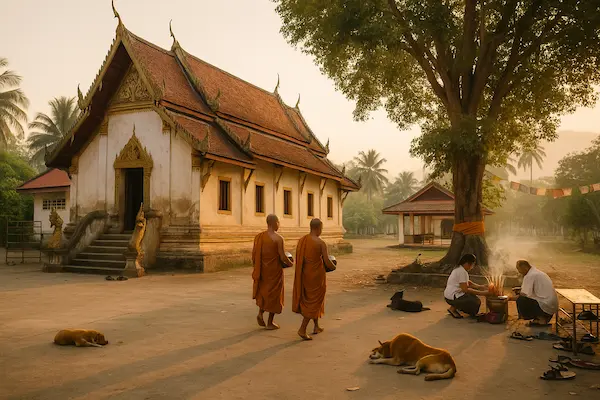
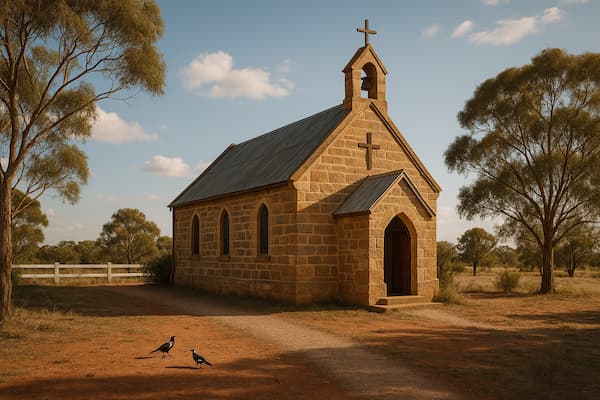
The Collision I Couldn’t Ignore
Of course, the doctrines don’t shake hands easily. Christianity tells me I get one life and then I’m measured—heaven or hell. Buddhism hands me a longer arc: many lives shaped by what I do, freedom only when craving loosens its grip and suffering is understood. Christianity points to a personal Creator; Buddhism steps aside from that question and goes straight at the problem of suffering and the path out. One promises eternity with God; the other says even heaven passes—only nirvana truly releases. Hold both in your head and you’ll understand why I sometimes poured the communion wine with a slightly heavier hand.
Where the Two Meet (Where I Live)
After a while I stopped trying to force a perfect merger and started paying attention to what the two paths asked of me in practice. Both insist on an ethical spine: don’t harm, don’t lie, don’t steal, don’t let desire run the show. Both take consequences seriously—call it sin, call it karma, but you can’t behave like a wrecking ball and expect peace to follow. Both say this isn’t all there is; what we do now shapes what comes next, even if the sketches of “next” look different.
And both give me ways to keep my feet on the ground. In church I find prayer, hymns, and the long company of scripture. In the temple I find meditation, mindfulness, and the hum of a chant settling the mind. I borrow freely. I’m not hedging my bets; I’m recognising that the divine often refuses to sit in the single chair I pull out for it.
What My Practice Looks Like
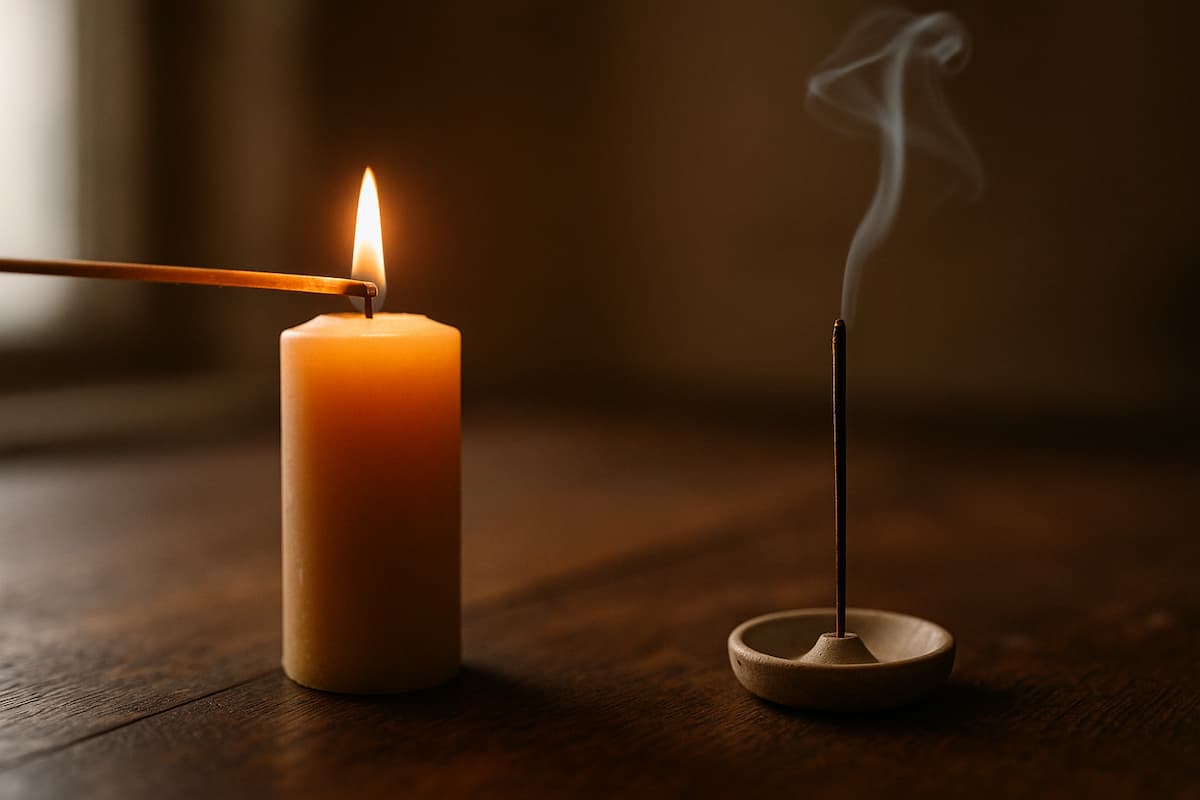
On an ordinary morning you might catch me praying to God, asking Buddha for wisdom, and leaving a little space for whoever else might be listening. In a temple, incense between my fingers isn’t a wish slip to a genie; it’s a reminder to live kindly and to hold the people I love with care. In a church, a candle does the same job—steadies my attention, turns my thoughts toward responsibility and hope. The costumes change, the heart doesn’t: mindfulness, gratitude, compassion.
Finding My Ground
For a long time I thought I had to choose, or I’d never have clarity. It turns out clarity came when I stopped arguing definitions and started living by a handful of principles I could return to on rough days. See clearly and don’t hide from reality. Act with compassion—toward people, animals, all living beings. Speak honestly and kindly and don’t use words like knives. Earn a living I’m not embarrassed by. Keep to the middle path and avoid the seductive extremes. Stay present; be grateful. Remember nothing lasts—so cherish the now. Pray and meditate, and keep the heart open whether I’m saying “Our Father” or “Buddho.” I don’t nail this every day. I don’t think that’s the point. It’s a compass, not a trophy.
The Afterlife Question
This was the knot I kept worrying at: Is it one life and then I meet God, or a chain of lives until craving loosens and I’m free? Here’s where I’ve landed: I don’t need to know the map to walk well on the road in front of me. I know actions echo. I know love heals and compassion matters. I know integrity tends to leave a calm behind it. If there’s heaven, I’ll meet God there. If there’s rebirth, I’ll carry on and do the work again. If it’s something none of us has language for, I hope I reach it with a heart that tried to live well.
Closing the Loop
So yes, I’m an Anglican Buddhist, if you need a label. I carry a cross in one pocket and prayer beads in the other. I find peace in a hymn and in the still silence after a bell fades. I can honour God as Creator and bow to Buddha as teacher without feeling like a fraud. Maybe I never had to choose. Maybe the choosing was the smallest part all along.
Not the labels. Not the doctrines. The living. Live kindly. Live mindfully. Live with compassion.
Anglican. Buddhist. Or somewhere in between. Whatever you call it, this is where I’ve found my ground.
Explore more from my world
Travel, photography, and long-form writing—pick your rabbit hole 👇
Resurgence Travel
Local-first trips in Thailand & Nepal. Real culture, temples, food, and the kind of stories that stick.
Reflections Photography
Cheat sheets, tutorials, and honest gear talk—built for real-world shooting (DSLR & iPhone).
Go Find Asia
Wide-angle Asia: itineraries, food hunts, practical tips, and photo-led guides from the road.
Prefer a note in your inbox?
พระเจ้า พระพุทธเจ้า และตัวผม: สามประสานที่ไม่น่าจะไปด้วยกัน (ชีวิตแบบ ชาวพุทธแองกลิกัน Anglican Buddhist)
*ฉบับภาษาไทย: เนื้อหาเดียวกันในสำนวนอ่านง่ายแบบกันเอง*
สัปดาห์หนึ่งผมคุกเข่าในโบสถ์ สวด “ข้าแต่พระบิดา” พร้อมกับทุกคน อีกสัปดาห์หนึ่งผมเดินเท้าเปล่าบนพื้นหินเย็นของวัดไทย จุดธูปและกราบพระพุทธรูป บางวันผมอธิษฐานต่อพระเจ้า บางวันขอปัญญาจากพระพุทธเจ้า และบางครั้งก็แค่ยกมือส่งคำอธิษฐานไปถึงใครก็ตามที่อาจกำลังฟังอยู่ ถ้าถามว่ามันงงไหม—งงครับ หลายครั้งผมไม่แน่ใจว่าควรพนมมือ ก้มศีรษะ หรือถอดรองเท้าก่อนดี
ผมเติบโตมากับคริสต์ศาสนาในจังหวะชีวิตที่มั่นคง—ออสเตรเลียบ้านนอก โบสถ์หินเล็กๆ ที่ Dunolly รายล้อมด้วยต้นยูคาลิปตัส เพลงสวดวันอาทิตย์ที่ทำเอาคนจริงจังยังเผลอน้ำตาซึม สำหรับโลกนั้น พระเจ้าทรงเป็นผู้สร้าง พระคัมภีร์เป็นคู่มือ และบัญญัติสิบประการคือแกนกลาง ชีวิตเดียว การพิพากษาเดียว นิรันดร์กาลเดียว มันงดงาม เป็นระเบียบ และให้ทั้งชุมชนและความเคารพ แต่ก็ทิ้งคำถามไว้กับผม—อดัมกับเอวาเป็นประวัติศาสตร์หรือสัญลักษณ์กันแน่ “อย่าฆ่า” ครอบคลุมเฉพาะมนุษย์หรือสรรพสัตว์ด้วย ทำไมบางตอนพระเจ้าดูเหมือน “ลงโทษ” มากกว่า “ทรงรัก” นั่นคือพระสุรเสียงจริงๆ หรือคือการตีความของมนุษย์ที่สะท้อนกลับมา?
พอมาเมืองไทย ผมได้พบพุทธศาสนาในแบบที่ต้อง “เดินเข้าไป” จริงๆ จำวัดแรกที่ไปได้ดี—ผมคอยดึงเสื้อให้เรียบร้อย กลัวแต่งกายไม่เหมาะ แล้วก็เดินเข้าสู่โลกสีทองกับสีแดง หลังคาโค้งเส้นสวยเหมือนปลายพู่กัน กลิ่นธูปกับควันเทียนลอยอยู่ในอากาศ มันควรจะรู้สึกแปลก แต่การจุดธูปกลับให้ความรู้สึกเดียวกับการจุดเทียนในโบสถ์—การหยุดใจสักครู่ ยกความหวังขึ้นไปเงียบๆ ตอนพระพรมน้ำและสวดภาษาบาลี ผมนึกถึงพิธีล้างบาปและคำอวยพรที่คุ้นเคย รูปแบบต่างกัน แต่ “จังหวะหัวใจ” คล้ายกัน
ที่ผมหลงรักจริงๆ คือวิธีที่พุทธศาสนาหายใจอยู่ในชีวิตประจำวันของที่นี่ โบสถ์รวมผู้คนเป็น “ลูกคลื่น” สัปดาห์ละครั้ง แต่วัดกับวิถีพุทธในไทยเหมือนคลื่นเล็กๆ ที่ซัดตลอดทั้งสัปดาห์—คนใส่บาตรยามเช้า ครอบครัวนั่งสงบหน้าพระพุทธรูป ความเคารพที่ไม่ต้องรอปฏิทิน มันไม่ใช่การแทนที่สิ่งเก่า แต่มันทำให้โลกของผมกว้างขึ้น
จุดที่ต้องยอมรับว่าชนกัน
แน่นอน หลักคำสอนไม่ได้จับมือกันง่ายๆ คริสต์สอนว่ามีชีวิตเดียว จากนั้นถูกชั่งตวง—สวรรค์หรือนรก พุทธให้เส้นเวลาที่ยาวกว่า—หลายภพชาติที่ถูกหล่อหลอมด้วยการกระทำ จนกว่าความอยากจะคลายและความทุกข์จะถูกเข้าใจ คริสต์ชี้ไปยังพระผู้สร้างผู้ทรงบุคคล ส่วนพุทธก้าวข้ามคำถามนั้นแล้วมุ่งไปที่ปัญหาความทุกข์และทางออก คริสต์สัญญาการอยู่กับพระเจ้าอย่างนิรันดร์ ส่วนพุทธบอกว่ากระทั่งสวรรค์ก็ไม่เที่ยง—มีแต่นิพพานที่ปลดปล่อยจริง ลองถือทั้งสองไว้พร้อมกันสิ คุณจะเข้าใจว่าทำไมผมถึงรินไวน์ศีลมหาสนิทหนักมือขึ้นนิดหน่อยบางวัน
พื้นที่ตรงกลางที่ผมยืนอยู่
ไม่นานผมก็หยุดพยายาม “ประสานให้ลงตัว” แล้วหันมาดูว่าทั้งสองทางขออะไรจากผมในชีวิตจริง ทั้งคู่ต้องการกระดูกสันหลังด้านศีลธรรม—ไม่ทำร้าย ไม่โกหก ไม่ลักขโมย ไม่ปล่อยให้ความอยากนำหน้า ทั้งคู่จริงจังกับผลของการกระทำ—จะเรียกว่าบาปหรือกรรมก็เถอะ ถ้าเราใช้ชีวิตแบบค้อนเหวี่ยงไปทั่วก็ยากจะเจอความสงบ ทั้งคู่บอกว่านี่ไม่ใช่ทั้งหมด—สิ่งที่เราทำตอนนี้ส่งผลต่อสิ่งที่จะตามมา แม้ภาพ “สิ่งที่จะตามมา” จะแตกต่างกัน
และทั้งคู่ให้วิธีวางเท้ากับพื้น โบสถ์ให้การอธิษฐาน เพลงสวด และมิตรภาพยาวนานของพระคัมภีร์ วัดให้สมาธิ สติ และทำนองบทสวดที่ทำให้ใจนิ่ง ผมหยิบใช้ได้หมด ไม่ใช่เพราะผมจะ “เผื่อเลือก” แต่เพราะสิ่งศักดิ์สิทธิ์มักไม่ยอมนั่งเก้าอี้ตัวเดียวที่ผมดึงออกมาให้
ชีวิตศรัทธาของผมหน้าตาแบบนี้
เช้าๆ คุณอาจเห็นผมอธิษฐานต่อพระเจ้า ขอปัญญาจากพระพุทธเจ้า แล้วเงียบฟังสักครู่เผื่อใครอีกที่กำลังฟังอยู่ ในวัด ธูปที่ถืออยู่ไม่ใช่บัตรขอพรจากยักษ์วิเศษ แต่มันเตือนให้ผมใช้ชีวิตด้วยความเมตตา และนึกถึงคนที่ผมห่วง ในโบสถ์ เทียนก็ทำหน้าที่แบบเดียวกัน—ทำให้ใจสงบ หันไปหาคนที่รัก ภาระ และความหวัง เครื่องแต่งกายต่างกัน แต่หัวใจเดียวกัน: สติ ความกตัญญู ความกรุณา
หลักยืนที่ค่อยๆ ชัด
นานมากที่ผมคิดว่าต้อง “เลือก” ไม่งั้นจะไม่พบความชัดเจน สุดท้ายความชัดเจนมาเมื่อผมหยุดเถียงคำจำกัดความ แล้วเริ่มอยู่กับหลักง่ายๆ ไม่กี่ข้อที่กลับมาหาได้ในวันที่ลมแรง—มองให้ชัด ไม่หลบความจริง มีเมตตาต่อผู้คน สัตว์ และสรรพชีวิต พูดจริงและอ่อนโยน ไม่ใช้คำพูดเป็นมีด หาเลี้ยงชีพแบบที่ตัวเองไม่อาย เดินทางสายกลาง เลี่ยงความสุดโต่ง อยู่กับปัจจุบันและรู้คุณ ย้ำกับตัวเองว่าไม่มีอะไรเที่ยง—จึงควรทะนุถนอม “ตอนนี้” และอธิษฐานกับทำสมาธิ เปิดหัวใจไว้—จะว่า “Our Father” หรือ “พุทโธ” ก็เถอะ ผมไม่ได้ทำได้เป๊ะทุกวัน และผมว่าไม่จำเป็น มันคือเข็มทิศ ไม่ใช่ถ้วยรางวัล
ปมเรื่องชีวิตหลังความตาย
นี่แหละปมที่ผมคาใจ—ชีวิตเดียวแล้วพบพระเจ้า หรือพัวพันหลายภพจนกว่าความอยากจะคลายลง ผมลงหลักไว้ตรงนี้: ผมไม่จำเป็นต้องรู้แผนที่เพื่อจะเดินให้ดีบนถนนตรงหน้า ผมรู้ว่าการกระทำมีเสียงสะท้อน รู้ว่าความรักเยียวยาและความกรุณามีความหมาย รู้ว่าความซื่อตรงมักทิ้งความสงบไว้ข้างหลัง ถ้ามีสวรรค์ ผมจะพบพระเจ้าที่นั่น ถ้ามีภพชาติ ผมก็จะลุกขึ้นทำงานเดิมอีกครั้ง ถ้ามันเป็นสิ่งที่เราไม่มีคำเรียก ผมก็หวังว่าจะไปถึงมันด้วยหัวใจที่พยายามอย่างดีแล้ว
ปิดวงกลม
เพราะฉะนั้น ถ้าต้องมีป้ายชื่อ—ผมคือ ชาวพุทธแองกลิกัน ผมพกไม้กางเขนไว้กระเป๋าหนึ่ง ลูกประคำไว้กระเป๋าอีกข้าง ผมหาความสงบได้ทั้งในบทเพลงสวดและความเงียบหลังระฆังดับ ผมเคารพพระเจ้าในฐานะผู้สร้าง และกราบพระพุทธเจ้าในฐานะครู โดยไม่รู้สึกว่าโกหกตัวเอง บางทีผมไม่เคยต้อง “เลือก” ตั้งแต่แรกก็ได้ บางทีการเลือกเป็นเรื่องเล็กนิดเดียวมาตลอด
ไม่ใช่ที่ป้ายชื่อ ไม่ใช่ที่หลักคำสอน—แต่คือการ “ใช้ชีวิต” ใช้ชีวิตด้วยความเมตตา ด้วยสติ และด้วยความกรุณา
แองกลิกัน พุทธ หรือกึ่งกลาง จะเรียกว่าอะไร ผมก็ยืนอยู่ตรงนี้แล้ว—และตรงนี้แหละที่ผมหยั่งราก